
I want to start by asking you something simple but important: have you ever felt like your emotions take over before you even have a chance to think? Maybe it’s anger that rises quickly and fades just as fast, but not before something painful happens. Maybe it’s sadness that stays longer than you expect. Or anxiety that appears out of nowhere and seems to fill your whole body.
If that sounds familiar, please know you’re not alone. Many of the people I work with come in feeling confused or even discouraged by their emotional reactions. They often say, “I don’t understand why I feel things so strongly,” or “I just want to feel more in control.”
As a licensed marriage and family therapist, I want you to hear this clearly: your emotions are not the problem. What you may be experiencing is a lack of emotional regulation support, and that’s something we can gently work through together.
What Is Emotional Regulation?
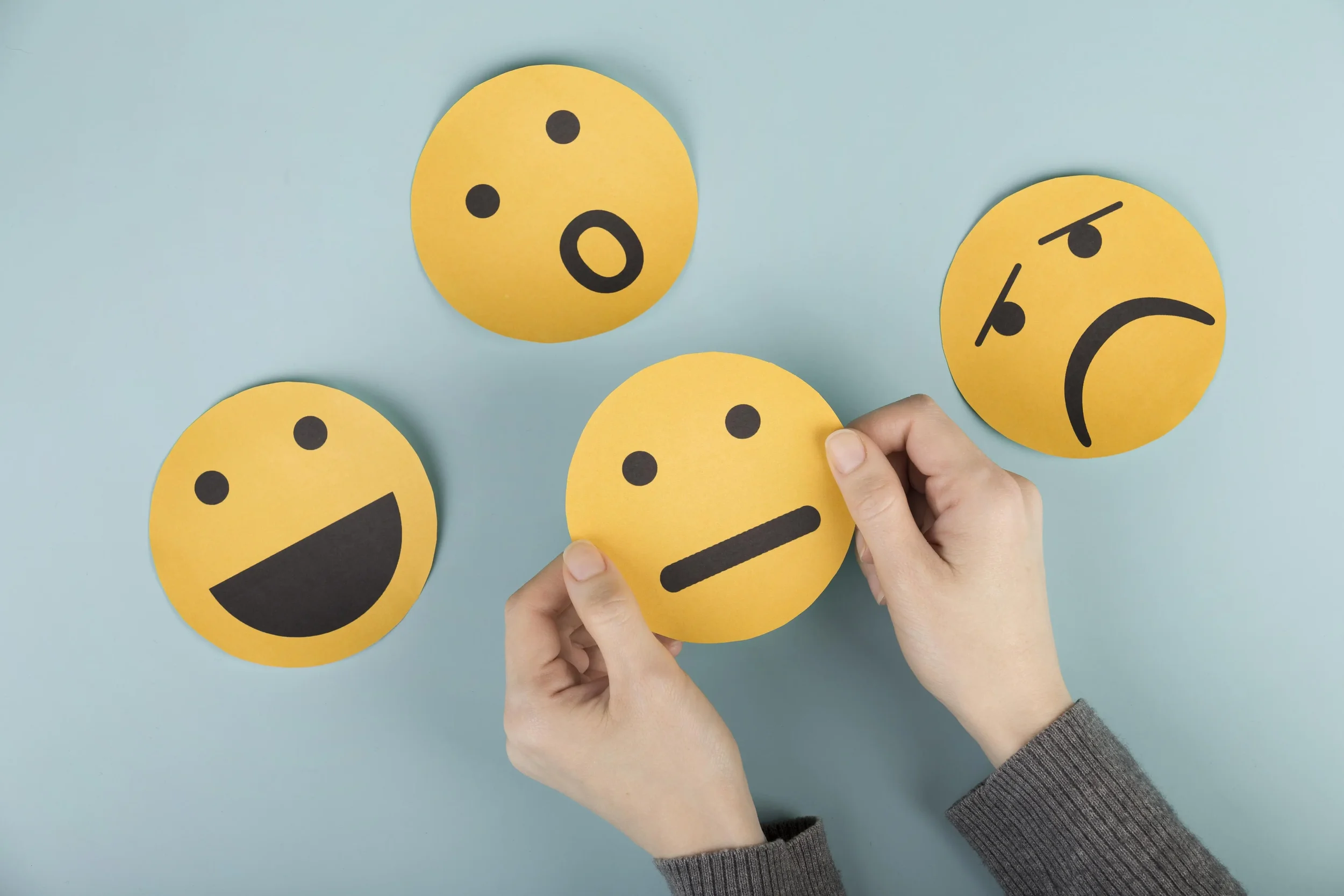
Let’s break this down in a way that feels clear and approachable. Emotional regulation is your ability to notice, understand, and manage your emotions in a way that helps you respond instead of react.
It doesn’t mean you stop feeling things. It doesn’t mean you stay calm all the time. It simply means you can move through emotions without feeling like they’re completely in control of you. Think of your emotions like waves. You can’t stop them from coming, but you can learn how to move with them without being pulled under.
When that ability feels underdeveloped or overwhelmed, that’s when emotional dysregulation symptoms begin to show up.
What Are Emotional Dysregulation Symptoms?
If you’ve ever wondered whether what you’re experiencing fits into this, let me offer a clearer picture.
Emotional dysregulation symptoms can look like:
Feeling emotions very intensely and quickly
Struggling to calm down once you’re upset
Reacting in ways you later wish you hadn’t
Mood swings that feel unpredictable
Difficulty expressing feelings clearly
Feeling overwhelmed by stress or conflict
According to the Cleveland Clinic’s “Emotional Dysregulation” guide, emotional dysregulation means having difficulty managing emotional responses, where reactions may feel more intense than expected and can include patterns like impulsive actions, mood swings, and trouble calming down once upset.
In my sessions, people often describe it as going from “0 to 100” in seconds. And once they’re there, it can feel really hard to come back down.
This isn’t a character flaw. It’s often a sign that your nervous system is working overtime to protect you.
Why Emotional Dysregulation Happens
I want to gently shift the way you might be thinking about this. Instead of asking, “What’s wrong with me?” I often invite you to ask, “What has my system learned to do to protect me?” Because at its core, this is about protection.
Your Nervous System Is Doing Its Job
Your body is wired to keep you safe. When it senses stress, conflict, or emotional pain, it reacts quickly.
For some people, that reaction feels stronger or more sensitive. This can come from:
Past experiences or trauma
Ongoing stress
Family patterns around emotions
Mental health conditions like anxiety or ADHD
Over time, your system can get used to reacting quickly. That’s where emotion dysregulation treatment becomes helpful; it gently teaches your system new ways to respond.
You May Not Have Learned These Skills Yet
Many people were never taught how to manage emotions in a healthy way. If you grew up in an environment where emotions were ignored, dismissed, or overwhelming, you may not have had the space to learn regulation skills.
And that’s okay. These are skills that can be learned at any stage of life.
What Emotional Regulation Support Looks Like
When people come to me for emotional regulation support, they often hope for quick fixes.
But what we really do is build a steady foundation.
We slow things down. We get curious about your emotional patterns. And we begin practicing new ways of responding that feel manageable and supportive, not forced.
Here’s what that process often includes.
1. Learning to Notice Your Emotional Triggers
You can’t change what you don’t notice.
We start by identifying what sets off your emotional reactions. Is it certain conversations? Stress at work? Feeling misunderstood?
Once you can see the pattern, it becomes easier to prepare for it.
2. Creating Space Between Feeling and Reaction
This is one of the most important steps.
Right now, your reaction might feel automatic: Emotion → action
Our goal is to gently stretch that space: Emotion → pause → response
Even a few seconds can make a real difference.
3. Building Tools That Actually Work for You
Not every coping skill works for every person.
Some people benefit from breathing exercises. Others need movement, grounding, or simply stepping away from a situation.
In emotion dysregulation treatment, we focus on what truly fits you, not just what sounds good in theory.
4. Practicing Without Pressure
You don’t have to get it right every time.
In fact, you won’t, and that’s okay.
What matters is that you begin noticing when things happen and what you might try differently next time.
How to Regulate Your Nervous System in Daily Life
If your emotions feel overwhelming, your nervous system is likely activated.
So one of the most helpful ways to support emotional regulation is to calm your body first.
Here are a few ways to do that:
Slow, steady breathing
Going for a walk or gently moving your body
Splashing cold water on your face
Sitting in a quiet, low-stimulation space
Focusing on your senses (what you can see, hear, or touch)
These may seem simple, but they can be powerful. They gently signal to your body that you’re safe.
And when your body begins to feel safe, your mind can start to settle and think more clearly.
How to Improve Emotional Regulation Over Time

If you’re wondering how to make lasting change, I want you to think in terms of consistency, not perfection.
Build Awareness First
Start by noticing your emotions without trying to immediately fix them.
Practice Small Interventions
You don’t need a perfect routine. Even one small pause or grounding moment is meaningful progress.
Be Patient With Yourself
This work takes time. You’re gently reshaping patterns that may have been there for years.
Stay Supported
This is where emotional regulation support becomes so important. You don’t have to go through this alone.
What I Want You to Know Right Now
If you’ve been struggling with emotional dysregulation symptoms, I want to leave you with this: You are not too emotional. You are not out of control. You are responding in ways your system has learned over time. And those patterns can change. With the right support, you can begin to feel more steady, more aware, and more in control of how you respond to life’s challenges.
If you’re ready to work on your emotional responses and feel more grounded day to day, I’m here to support you. I offer emotional regulation support that focuses on real-life tools and a safe, understanding space to explore what’s coming up for you.
Reach out today to schedule a session and take your first step toward feeling more balanced and supported.
FAQs
How can you improve your emotional regulation?
Improving emotional regulation starts with awareness. Notice your triggers, your reactions, and what you feel in your body. Practice small pauses before reacting and use simple tools like breathing or grounding. Over time, these small steps build stronger control.
What are examples of emotion dysregulation?
Examples of emotional dysregulation symptoms include intense emotional reactions, difficulty calming down, mood swings, impulsive responses, and feeling overwhelmed by stress. These reactions often feel automatic and hard to control.
What is the best way to regulate your nervous system?
The best way to regulate your nervous system is to focus on your body first. Slow breathing, movement, and grounding exercises can help calm your system. When your body feels safe, your emotions become easier to manage.
What is the meaning of emotional regulation?
Emotional regulation means being able to understand and manage your emotions in a healthy way. It allows you to respond thoughtfully instead of reacting impulsively.
How to improve emotional regulation?
To improve emotional regulation, focus on building awareness, practicing small coping strategies, and seeking emotion dysregulation treatment if needed. Support and consistency play a key role in long-term change.